
Nigeria’s export sector holds enormous potential, especially in non-oil trade. However, sustainable growth depends not just on participation but on competence. The country needs a strong community of knowledge-based exporters who operate with structure, professionalism, and strategic insight.
When exporters rely on verified knowledge rather than assumptions, the entire ecosystem becomes stronger and more competitive.
The Risk of Informal Export Practices
Many export challenges in Nigeria stem from misinformation and trial-and-error practices. Exporters often rely on incomplete advice, leading to:
Documentation errors
Regulatory non-compliance
Shipment rejections
Pricing losses
Damaged buyer relationships
These issues reduce confidence in Nigerian exports globally.
A knowledge-based approach eliminates these weaknesses.
What Defines a Knowledge-Based Exporter
A knowledge-based exporter understands:
1. Regulatory Frameworks
They know Nigerian export procedures and international compliance standards.
2. Market Intelligence
They study demand trends, buyer behavior, and global pricing structures.
3. Financial Planning
They calculate true costs, manage margins, and plan for sustainable growth.
4. Risk Management
They understand payment systems, contract terms, and logistics risks.
5. Ethical Trade Standards
They prioritize quality, transparency, and long-term buyer relationships.
Such exporters strengthen Nigeria’s credibility in international trade.
Why Community Matters
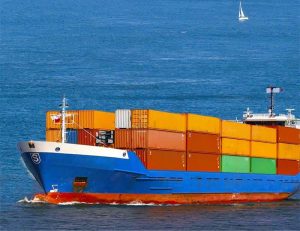
When knowledgeable exporters connect and collaborate, they share insights, correct misinformation, and elevate industry standards.
A strong export community:
Promotes best practices
Encourages compliance
Reduces costly mistakes
Builds collective credibility
Supports new exporters
This collective strength improves Nigeria’s global trade reputation.
The Role of Structured Export Education
Structured export education is the foundation for building a knowledge-based export community.
Palmadex Export Academy equips exporters with practical training, mentoring, and consultancy support designed to produce informed, competent professionals.
By focusing on real-world application and long-term strategy, the academy contributes to developing exporters who strengthen the entire industry.
Conclusion
Nigeria’s export future depends on competence, not chance. A strong community of knowledge-based exporters creates stability, credibility, and sustainable growth in non-oil trade.
Education and structured training remain the most reliable pathway to building that community.
Contact Palmadex Export Academy
Email:
[email protected]
[email protected]
Call/WhatsApp:
+2347060408899
+2348066579079