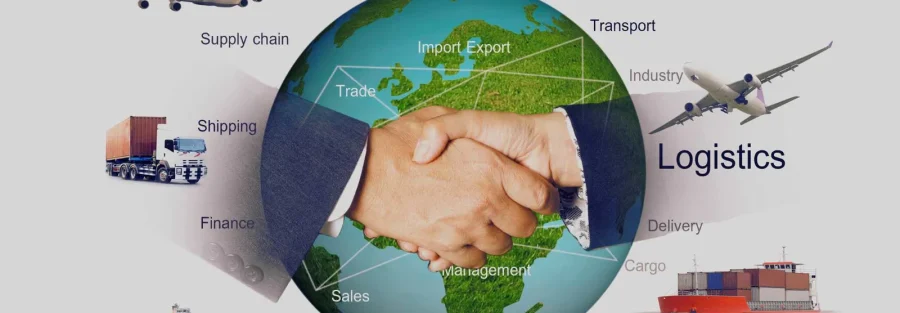
Entering international trade for the first time can be complex and risky. Many new exporters underestimate the regulatory, financial, and logistical requirements involved.
Export training provides first-time Nigerian exporters with the structure and knowledge needed to operate successfully.
The Risks First-Time Exporters Face
Without proper preparation, new exporters often encounter:
Documentation errors
Regulatory non-compliance
Incorrect pricing strategies
Payment disputes
Shipment delays
These challenges can discourage beginners and lead to financial losses.
How Export Training Provides a Strong Foundation
1. Clear Understanding of Export Processes
Training explains each stage of the export value chain.
2. Compliance and Regulatory Awareness
Participants learn how to meet Nigerian and international trade standards.
3. Proper Pricing and Cost Planning
Export training helps beginners calculate accurate costs and protect profit margins.
4. Risk Management Knowledge
New exporters learn how to manage contracts, payments, and logistics risks.
5. Confidence in International Engagement
Training builds clarity and professionalism when dealing with foreign buyers.
The Palmadex Export Academy Advantage
Palmadex Export Academy offers structured, practical export training tailored to beginners.
Through mentoring and consultancy support, first-time exporters gain guidance that reduces mistakes and increases success rates.
This structured approach builds competence and confidence from the start.
Conclusion
Export training is not optional for first-time Nigerian exporters. It is a critical foundation for reducing risk, improving compliance, and achieving sustainable growth in international trade.
Contact Palmadex Export Academy
Email:
[email protected]
[email protected]
Call/WhatsApp:
+2347060408899
+2348066579079