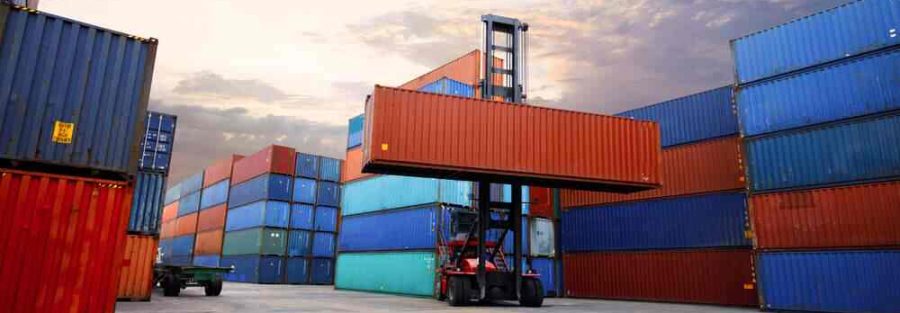
Many Nigerian entrepreneurs start with local trade before considering international markets. While local trading builds experience, transitioning into export requires a different level of structure, compliance, and strategy.
Moving from local trade to international export successfully demands preparation, knowledge, and professional guidance.
Understanding the Key Differences
Local trade and international export operate under different systems.
Local trade typically involves:
Informal agreements
Minimal documentation
Direct buyer-seller relationships
Domestic pricing structures
International export, however, requires:
Formal documentation
Regulatory compliance
Structured payment systems
Global pricing considerations
Quality and packaging standards
Recognizing these differences is the first step toward a successful transition.
Steps to Transition Successfully
1. Formalize Your Business Structure
Exporting requires proper business registration, documentation, and compliance with Nigerian export regulations.
2. Understand Export Documentation
Learn how to prepare export invoices, contracts, shipping documents, and regulatory certificates accurately.
3. Upgrade Quality Standards
International buyers demand consistency, proper packaging, and compliance with global standards.
4. Develop Export Pricing Strategy
Export pricing must account for logistics, freight, insurance, duties, and foreign exchange considerations.
5. Identify Reliable International Buyers
Conduct proper market research to connect with genuine and verified buyers.
6. Manage Risk Effectively
Understand payment terms, contract structures, and logistics risks before executing transactions.
The Role of Structured Export Training
Transitioning without proper guidance increases the risk of costly mistakes. Structured export training provides clarity and builds confidence.
Palmadex Export Academy equips entrepreneurs with practical knowledge, mentoring, and consultancy support to navigate international markets successfully.
Through structured modules and real-world insights, participants gain the competence needed to move from local trading to professional export operations.
Why Preparation Determines Success
Many businesses fail during the transition phase because they underestimate the complexity of international trade.
Preparation transforms local traders into export professionals capable of competing globally. With the right knowledge and systems in place, entrepreneurs can scale sustainably and earn foreign exchange.
Conclusion
Transitioning from local trade to international export is achievable with the right foundation. By formalizing operations, understanding compliance requirements, and investing in structured export education, entrepreneurs position themselves for long-term global success.
Contact Palmadex Export Academy
Email:
[email protected]
[email protected]
Call/WhatsApp:
+2347060408899
+2348066579079