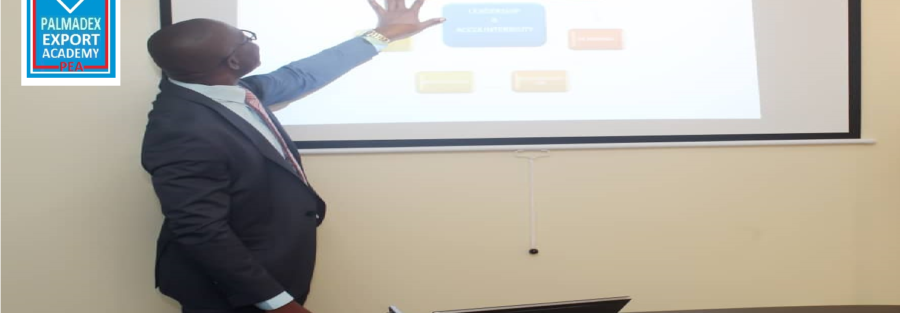
Nigeria’s non-oil export sector holds enormous potential. However, unlocking this potential requires more than raw materials and market access. It requires export education Nigeria exporters can rely on to compete globally.
In today’s global market, exporters who succeed are those who understand systems, standards, and strategy. This is why export education Nigeria is becoming the foundation for sustainable non-oil exports.
The Problem with Informal Export Practices
Many Nigerian exporters enter international trade without proper training. They rely on hearsay, shortcuts, or trial-and-error methods. As a result, shipments are delayed, products are rejected, and buyer confidence is lost.
Without structured export education, exporters struggle to understand documentation, compliance, pricing, and international expectations. This limits growth and increases failure rates across the non-oil export sector.
Why Knowledge-Based Export Education Is the Solution
Knowledge-based export education equips exporters with the ability to make informed decisions and operate professionally. Instead of reacting to problems, trained exporters prevent them.
With proper export education, exporters gain:
A clear understanding of international trade processes
Knowledge of export documentation and regulatory compliance
Awareness of quality standards and buyer expectations
The ability to manage risks and negotiate confidently
Skills to build sustainable, long-term export businesses
This approach creates exporters who are prepared, credible, and competitive.
Supporting Nigeria’s Non-Oil Export Growth
Nigeria’s push toward non-oil exports depends heavily on exporter capacity. When exporters are properly trained, they contribute more effectively to foreign exchange earnings, job creation, and economic diversification.
Knowledge-based export education helps shift Nigeria from volume-driven exporting to value-driven exporting, where quality, consistency, and professionalism matter.
The Role of Export Academies
Institutions like Palmadex Export Academy play a strategic role in this transition. By providing structured, practical export education within a real business environment, export academies help build a community of informed exporters who can lead Nigeria’s non-oil export future.
Conclusion
The future of non-oil exports in Nigeria is knowledge-driven. Exporters who invest in education position themselves for long-term success in global markets. As competition increases, only those with the right skills and understanding will thrive.
Knowledge-based export education is no longer optional. It is essential for Nigeria’s export growth.
Contact Palmadex Export Academy
Email:
[email protected]
[email protected]
Call:
+2347060408899
+2348066579079